Forest Health Issues in Our Area (June 2, 2026)

Conservation Commission Past Events

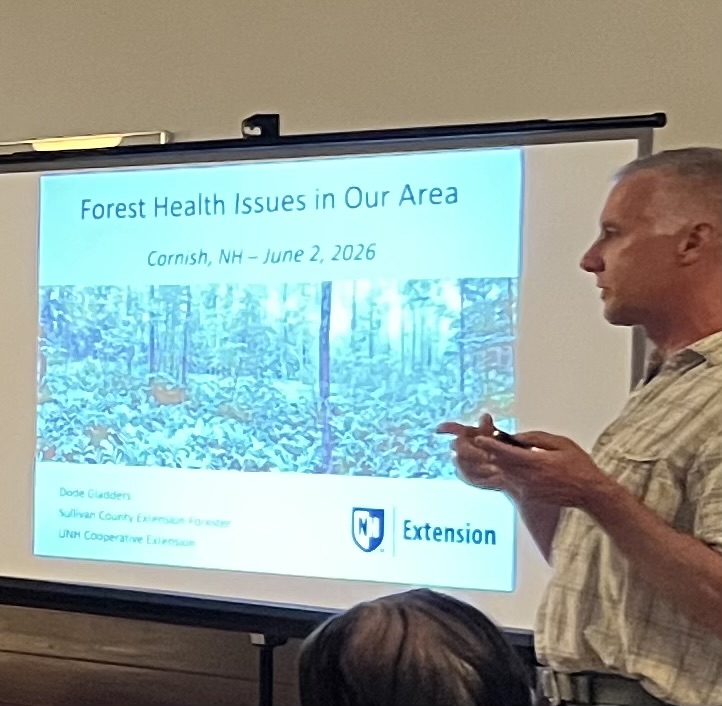
Presentation by Dode Gladders, Sullivan County Extension Forester / UNH Cooperative Extension

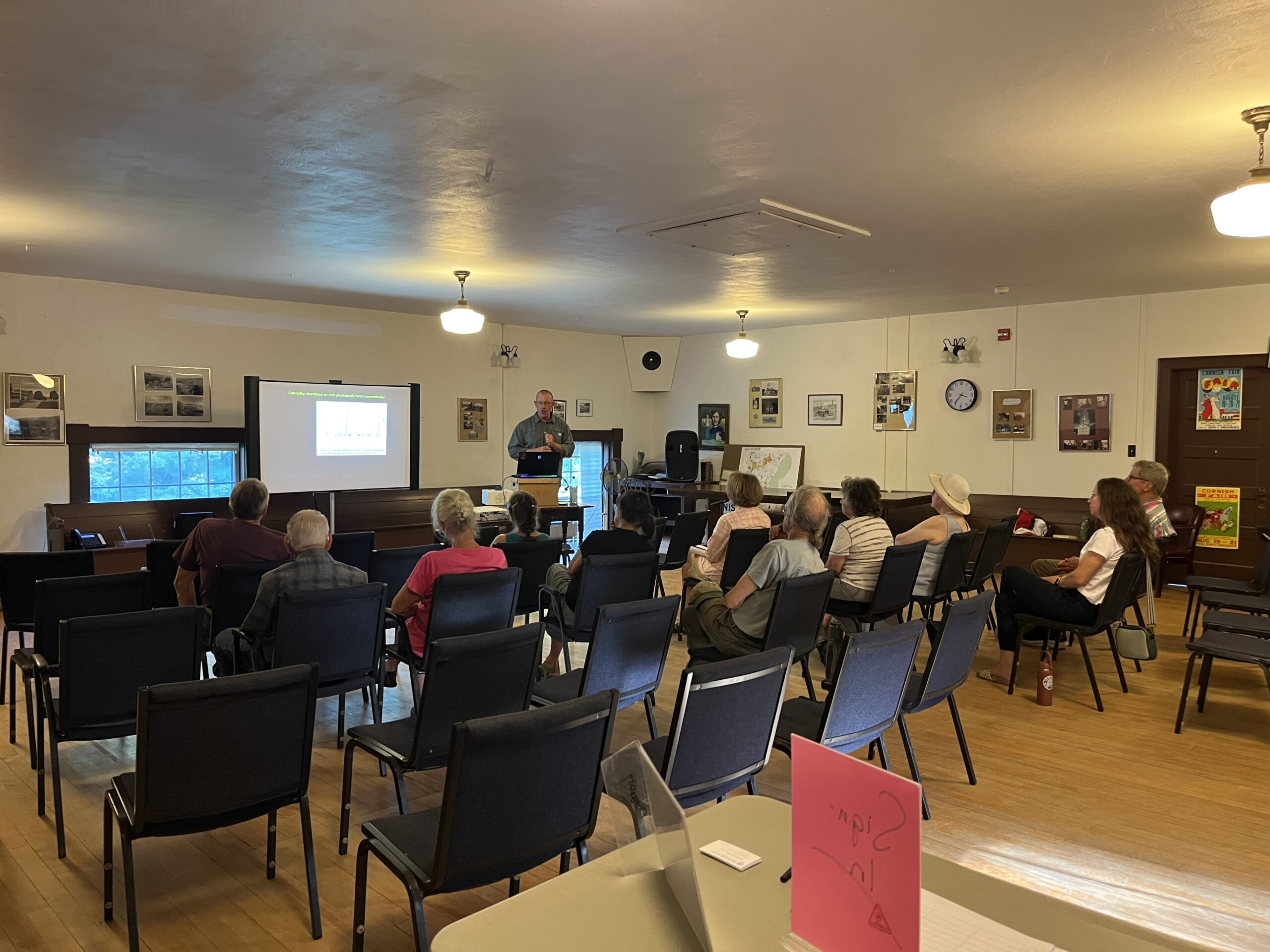
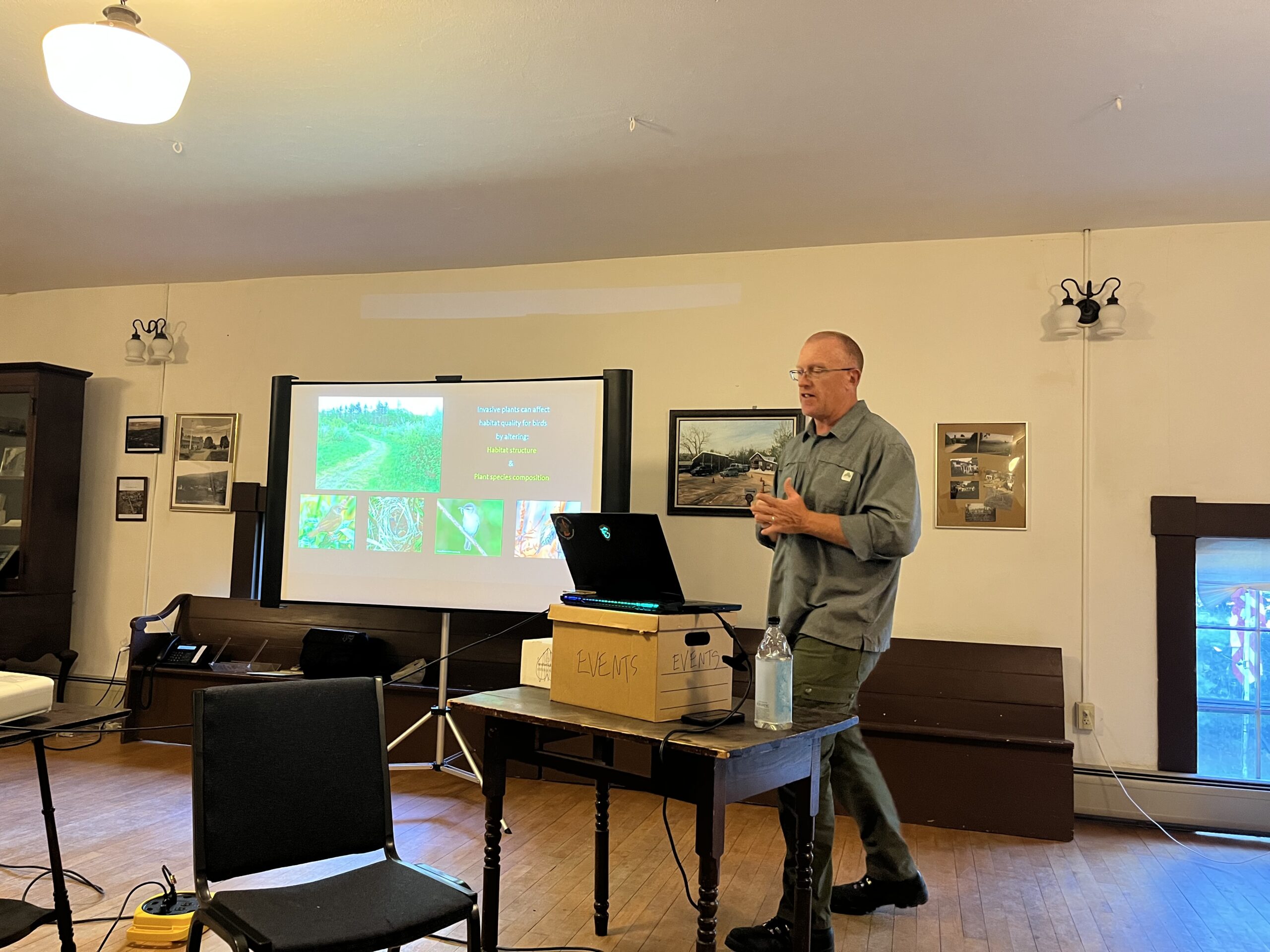
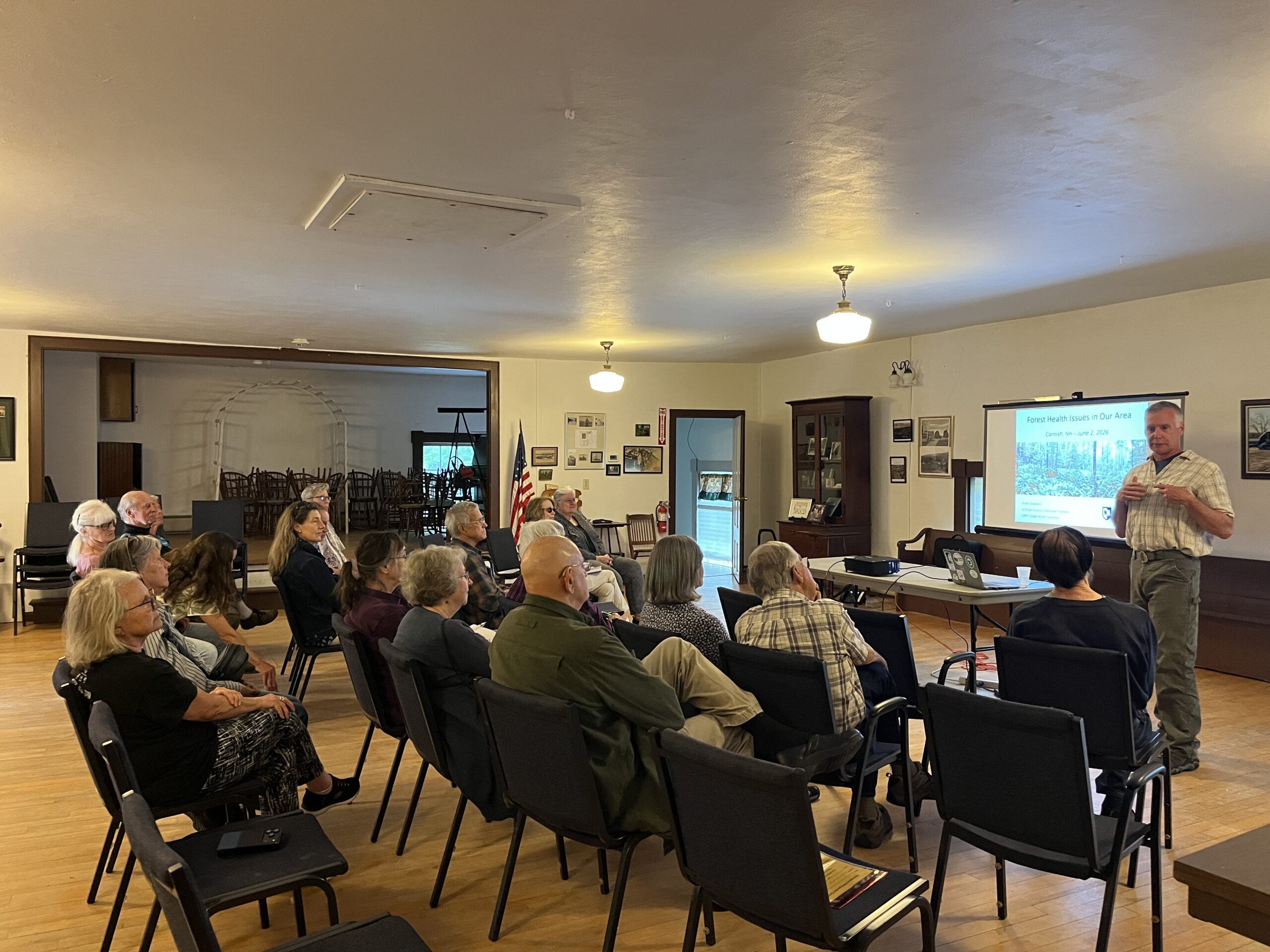
Twenty-nine people gathered on a warm summer evening to learn more about the current and future health of our forests. Dode Gladders, Sullivan (and also Cheshire) County Forester for the UNH Extension Program, specializes in forest health. He identified 20 significant insect pests and diseases that impact the forests of Cornish and beyond. With a good measure of seriousness and some occasional, and much-needed levity, Dode provided important details regarding some well-known pests (emerald ash borer, beech bark disease, Dutch elm disease) as well as some lesser-known harmful pathogens.

A healthy forest is a resilient forest, and resiliency is high when there is a diversity of trees and shrubs (species, size and age), and a variety of animal habitats. Currently 83% of NH is forested and 85% of Sullivan County. However, most of our forests are very homogenous, about 100 years old and trees are 90 feet tall. The land management practice of keeping or creating open patches to increase species and habitat diversity or controlling or removing invasives and/or hiring a forester to evaluate and assist with forest management can be helpful to increasing forest resiliency.

Significant fluctuating temperatures, invasive pests and diseases, and lack of water are primary stressors, drought being one of the highest stressors to a healthy tree and forest. Most of the insects and diseases in our NH forests co-evolved with the current tree species, and they tend to attack or kill trees that are already sick or in marginal growing conditions. But introduced insects like emerald ash-borer, beech bark/lead disease, or the hemlock woolly adelgid can wipe out an entire species. According to Dode, the evidence strongly indicates that NH will lose close to 100% of its large ash trees and a substantial percentage of its beech trees over the next 5 to 15 years.

Native pests can also take advantage of declining ash and beech trees. It is possible to save some ash trees by chemical injection, but this is very expensive and needs to be repeated regularly. Fortunately, hemlock are not facing this sort of impact in the Cornish area because our cold winters generally kill most the hemlock woolly adelgid population.

Assisted migration (planting trees that may do well as the climate warms), development of biological defenses against invasive insects and diseases, and development of new resistant varieties of trees (elm, chestnut for example) are also part of the future for resilient forests.

There are 10 county foresters, but only seven positions are currently filled. They are busy, understaffed, and underfunded. But if you live in Sullivan County (or Cheshire) you can call or email Dode if you have questions about managing your woodlot, forest, specific trees, or diseases. There is no charge for his visit or call, but for a more in-depth evaluation or action, or management needs, he can offer a list of service providers for hire. Dode also recommended a publication, Increasing Forest Resiliency for an Uncertain Future by Paul Catanzaro (UMass), Anthony D’Amato (UVM), and Emily Silver Huff (USDA Forest Service).

The Commission is very grateful for the expertise and availability of the UNH Extension Service staff to our community.

Black Bear Happenings in New Hampshire (April 10, 2026)

Conservation Commission Past Events

Presentation by Bob Ball / Volunteer steward from NH Fish and Wildlife

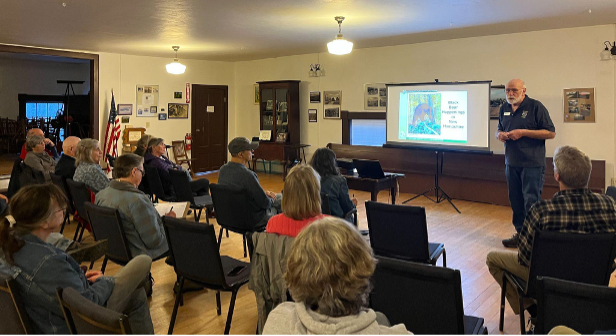
On the evening of Friday, April 10 the Commission introduced Bob Ball to share beautiful slides and amazing information about the American Black Bear; he also provided a helpful background on the history of NH Fish and Game. In the middle of the 1800’s there were no bears living south of the White Mountains. NH and much of New England had been 99% forested before the arrival of the early Europeans—but by 1850 things had changed. It was nearly clear-cut thanks to the logging industry, fish populations were depleted, and most fur-bearing animals had been hunted or trapped to near extinction. The NHF&G was established in 1865 primarily to address the decline of fish populations; in 1880 it was expanded to include Game. The organization celebrated its 160th anniversary in 2025. It is primarily funded by licenses and federal grants, and not general tax dollars. The NHF&G formation was spearheaded by sportsmen and conservationists seeking seasons and limits on hunting.

Bob Ball, NH Fish and Wildlife steward

Black bears now occupy 62% of their original range, recovering like our forests and other mammals, such as beaver, bobcat, fisher, etc. In 2024, the approximate population of black bear was 6100, or roughly 1 bear per square mile. The goal from a management practice is a stable population ~4500. The sale of licenses (regulated by public input and NHF&G research) goes up or down based upon the population goals. The northern part of NH has an overabundance and mid NH is stable with regard to the management goal, and hence the number of licences.
Black bears are omnivores, but their diet is primarily vegetation. Roots, succulents and insects in the spring, followed by the summer need for more carbs when they seek all the berries and fruit available. By fall, when they need to put on significant weight for hibernation they need high calorie nuts – acorns, beechnut, butternut and hazelnuts, and also ants, grubs, even roadkill if available. A low yield mast crop will impact their health and even mortality, and beech tree diseases reduce an important nut crop for them.

Some interesting biological facts: males are ~250 pounds, females ~150 (on average). Though they have a lumbering/waddling gait, they can run up to 30 mph! They are near-sighted and have small ears, and they are primarily dependent upon their sense of smell, and a great memory of their terrain and where food is located. They can smell a meal from up to a mile away. Summer is the mating season (females are sexually mature at 3 years and males at 6). Active females only mate every other year, as she has cubs to attend to through 2 summers. Rock caves, shallow holes and tipped trees offer winter dens, and interestingly, they never use the same den twice. While mating occurs in late summer, the female biology delays egg implantation until near the start of hibernation when her body signals she has enough nutritional health to support a pregnancy. The female can carry eggs fertilized by different males. Litters are usually 1-3, but 5-6 is possible. The cubs are born 2 months after the start of hibernation and are roughly 1 pound and 10 inches long. They nurse for nearly 2 more months while in the den and emerge when 4-5 pounds. They continue to nurse through August and then begin eating the vegetation diet of their mother. A sow and cubs will range 3-4 miles, and lone male bears further.

Ideally, bears remain in the woods and eat the diet they evolved to eat, and negative encounters with humans do not occur. Unfortunately, as humans push into bears’ territory, and or natural habitat is lost, the incidence of conflict and aberrant eating patterns develop. Once learned by the mother bear, cubs are often introduced to the “easy meals” option.

30% of all calls received by NHF&G are about bears. The nuisance list is recognizable to all of us: #1 household garbage, #2 chicken coops, #3 beehives and #4 bird feeders. There are also complaints about fruit trees/orchards and other agricultural situations, etc.

Sunflower seed is very high in protein and fat; in the springtime the attraction to bird feeders is great when bears need a nutritional jump start. All bird feeders should come down by April 1, and earlier if you know you have bears in your area, and/or have had problems in the past. Bears remember a good, and easy meal. They are out and about day and night and especially at dawn or dusk. Taking in feeders at night does not prevent visits to feeders. And sadly, frequent interactions with humans and easy food options will result in the bear losing; usually in death and often leaving motherless cubs. The black bear never wins.

Wildlife Tracking and Habitat Walk (February 22, 2026)

Conservation Commission Past Events

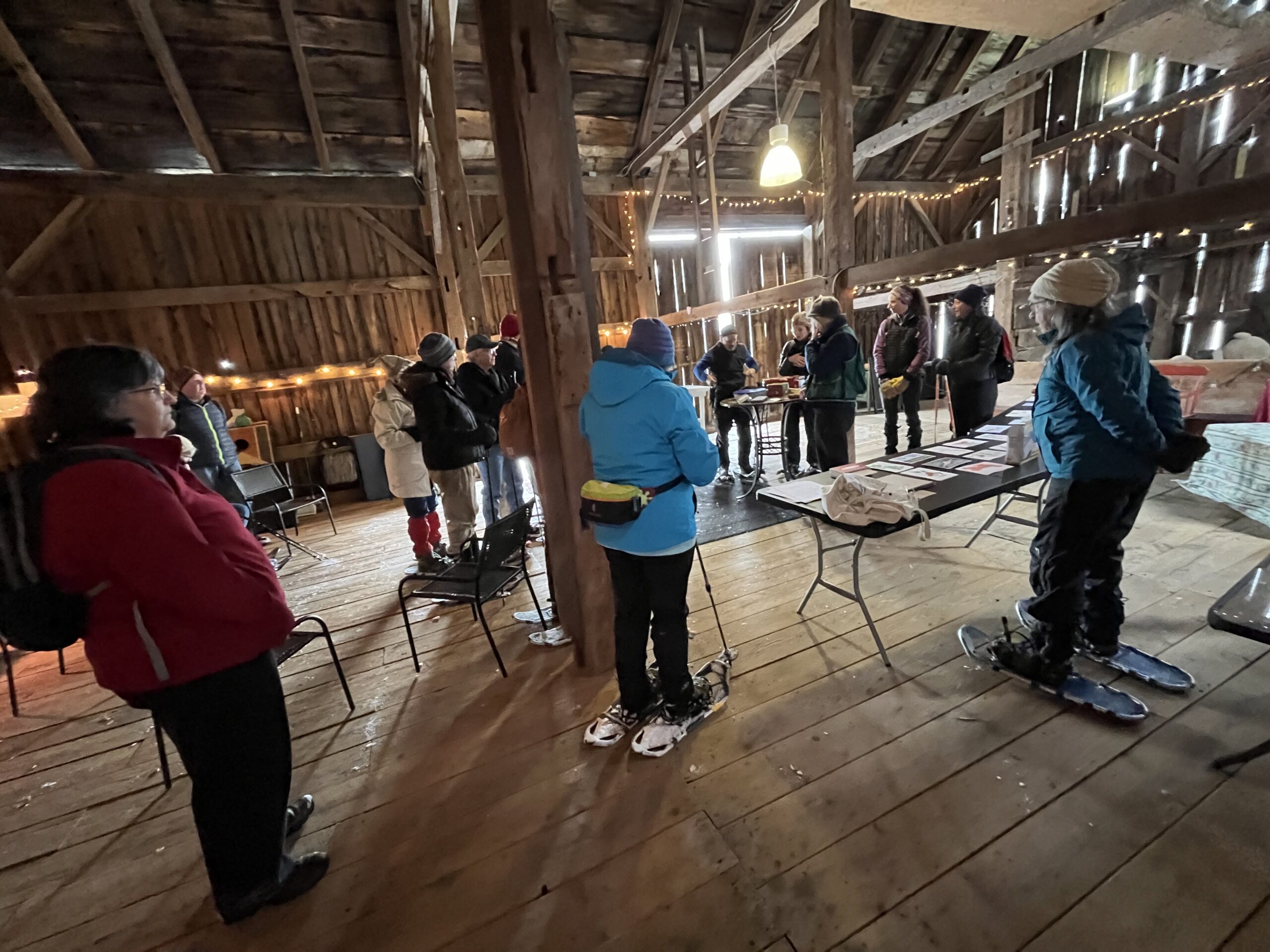
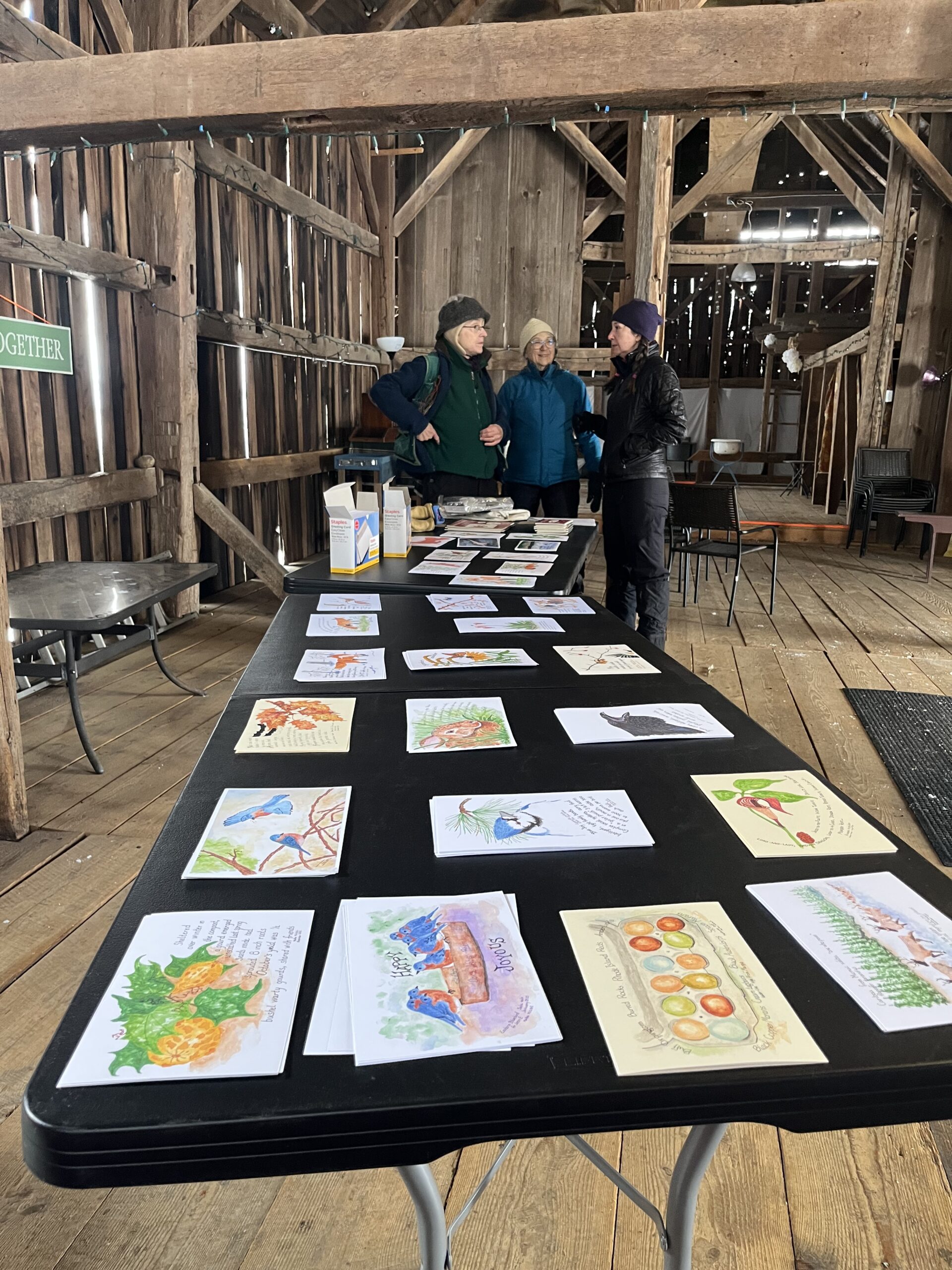
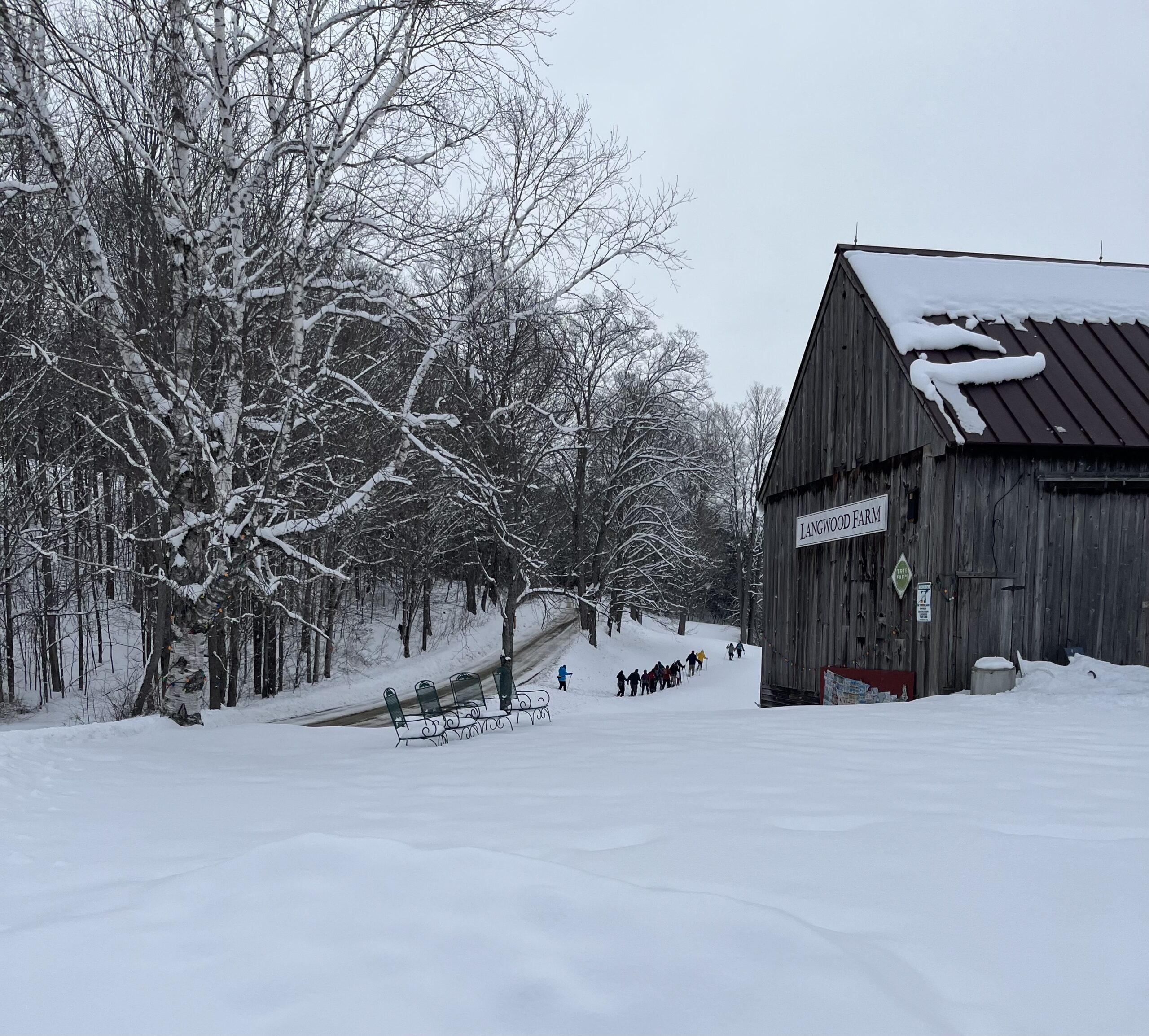
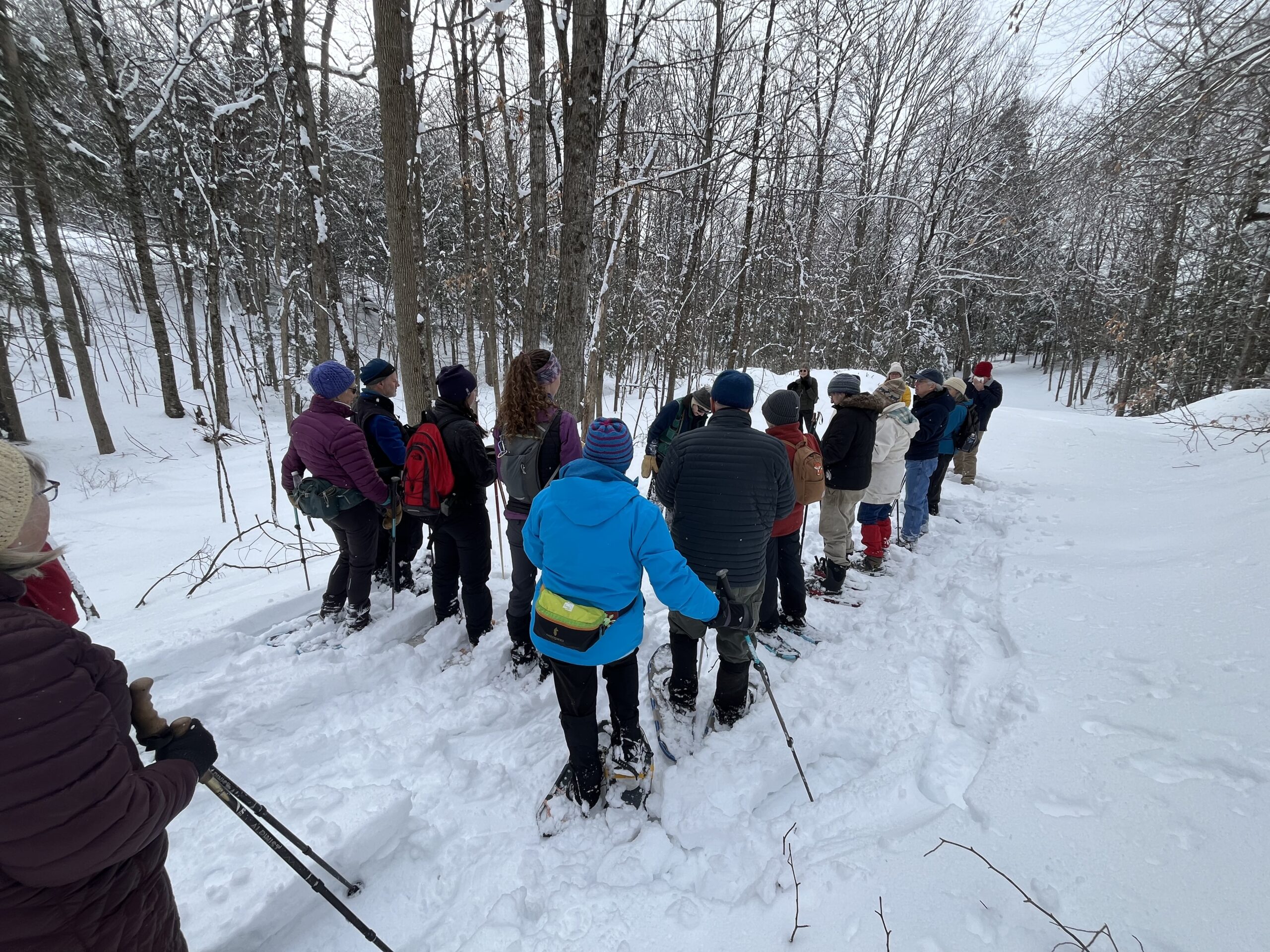
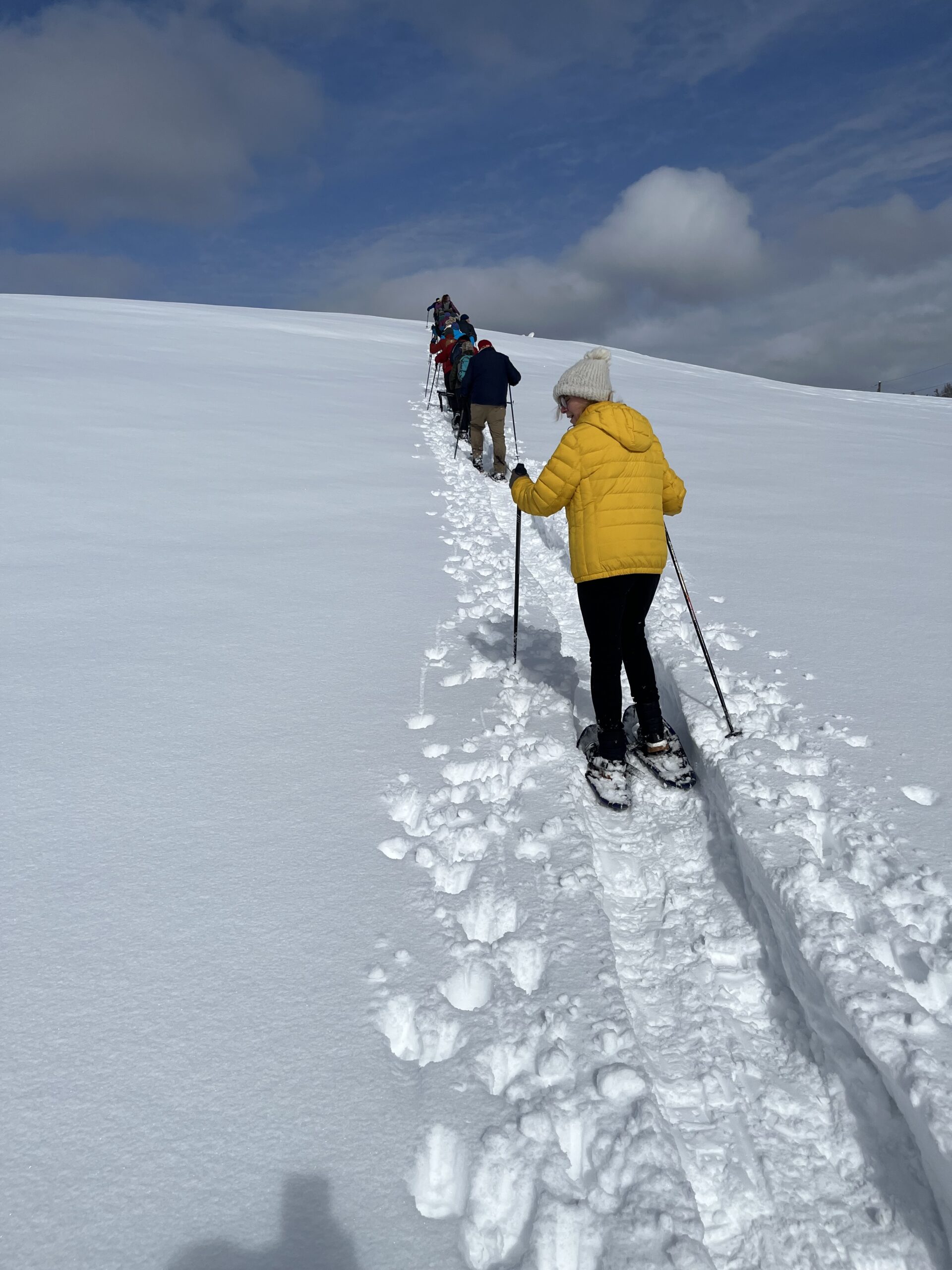
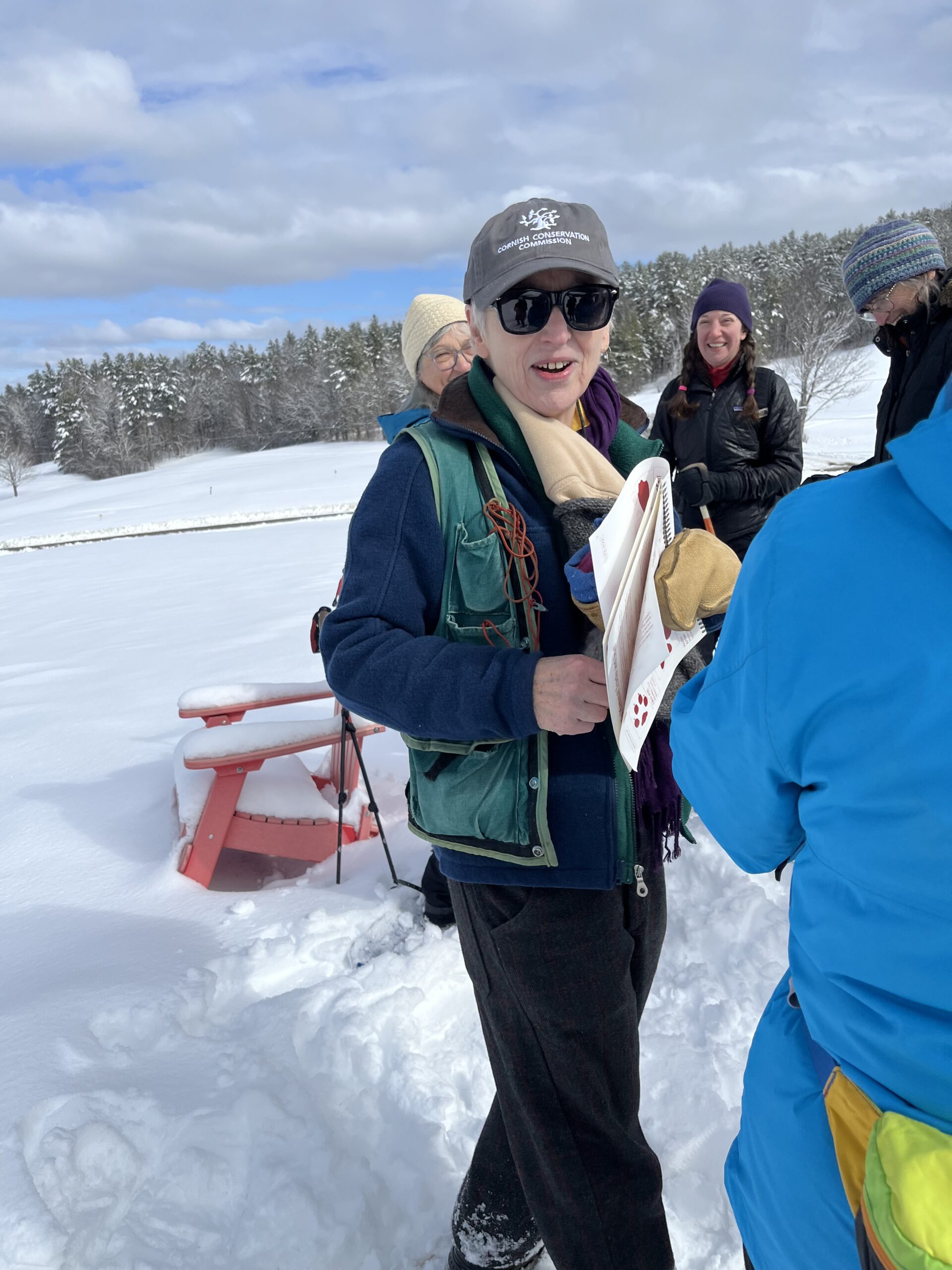
Deep snow, beautiful woods and fields, overcast skies that eventually offered sun and white clouds framed the CCC’s Sunday winter tracking event at Langwood Tree Farm on Feb 22, 2026. Twenty folks from Cornish and Plainfield enjoyed each other’s company as they followed naturalist and tracker, Martha Mitchell from Westminster West, VT for a 2-hour snowshoe, exploring tracks and signs of winter life. Afterwards the group gathered in Colleen’s  barn for more conversation and a chance to ask questions.

We learned that many animals do not move much in deep snow; it takes too much energy and increases the risk of predation. Also, the ability to determine with certainty what type of animal made a track when the snow is so deep is nearly impossible. The best tracking is done in mud or very light snow when prints are very easy to see. That said, we were able to determine that deer were prevalent (from tracks and evidence of browsing on shrubs), gray squirrel efforts to retrieve buried acorns were also clear, and a fallen tree over a stone wall created a protected area which showed signs of porcupine activity. Once the group reached the hilltop behind the barn we were treated to the sight of 4 crows mobbing a red-tailed hawk in the sky overhead. Quite a dramatic conclusion to our snowshoe adventure!

Martha stopped us from time to time to talk about woodland invasives, insects, fungi and diseases affecting our trees and all of the life forms that depend on them.  We shoed across wetlands with running water and Martha pointed out prints leading to ferns (food for turkeys) and red dogwoods which deer browse –  she inspired an active dialogue with the group, and all of us learned something new.

Thanks to Martha Mitchell, all those who ventured out to explore and learn more about Cornish winter woods, and to Colleen for welcoming us so warmly to Langwood Farm.