Conservation Commission Events

Conservation Commission Events
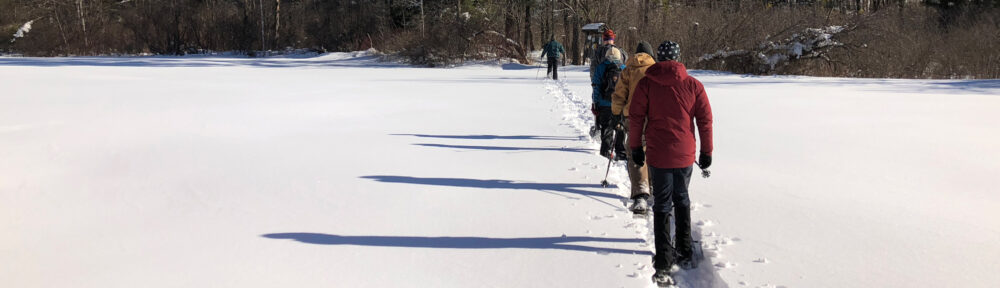
April 30 Bird Walk
On April 30th, Cornish Conservation member Jody Schubert led a group of eleven people on an early bird walk on CREA. The group spotted 16 species! It was great to see a couple of newer avian arrivals: Yellow rumped Warbler, Warbling Vireo, Eastern Kingbird, Swamp Sparrow, and Tree Swallow…as well as the regular birds.
The diversity of habitat on CREA always guarantees a nice variety of birds! Enjoy this great Cornish natural resource!
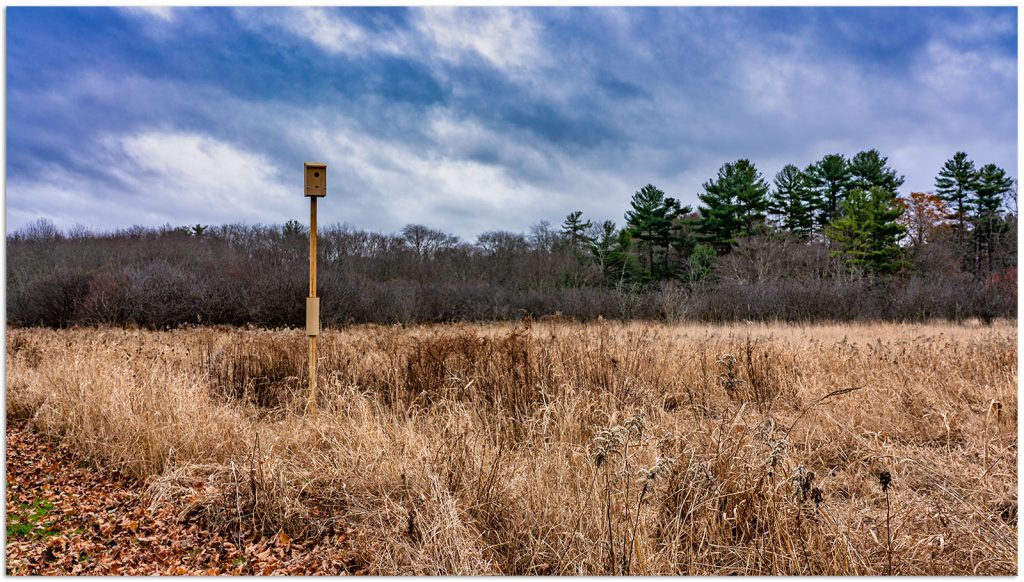
May 13 Kestrel Box Evaluations in Cornish

Last April a Vermont Institute of Natural Science (VINS) educator provided a presentation at the Town hall. (April 2024 Kestrel Presentation) Several folks who attended the presentation had kestrel boxes up but no nesting activity.
VINS staff were generous in providing time to follow up this spring. On May 13th, 3 staff from VINS (Jim, Hannah and Emily) visited Langwood Farm, Fitch Farm, and the Poor property to evaluate the locations of three existing Kestrel boxes. Excellent recommendations for changing box placements, and box height were made in all three locations and hopefully will result in kestrel use in the future.
Things to keep in mind:
Conservation Commission Events
The Cornish Recreation and Education Area (CREA)
A heartfelt thank you to Monica Mathews for inviting CCC members Jody Schubert and Rickey Poor to talk with the Upper Wing students about the history of CREA—a special treat for all of us on Valentine’s Day, 2025! Monica, a former Conservation Commission member, is now coordinating the Life Enrichment Program for CES, inviting guest speakers from around Cornish to encourage student connections to the Cornish community and the Upper Valley.
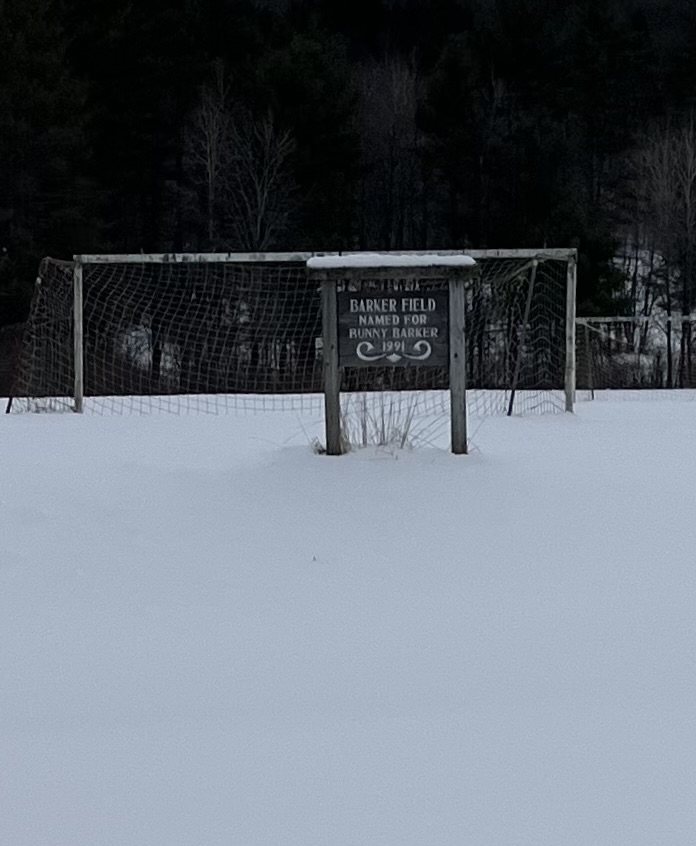



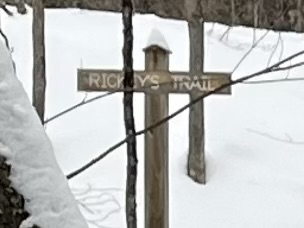


Jody and Rickey shared an overview of CREA’s history, first asking the students what they already knew:
There were so many community members who made CREA a reality for all of Cornish: financial contributors (including Anne Davidson, the generous landowner); adult and student volunteers who built bridges and playing fields and maintained them over the years; scouts and scout leaders; Town staff; and Rickey Poor and Michael Yatsevitch and all the others who shared the vision for CREA and worked for nearly 10 years to bring it to fruition.
Rickey entertained the students with memories (and pictures) of the CREA Dedication Ceremony, a blustery day on October 12, 1991, during which the hot air balloon nearly blew away, as she and Mike read from the balloon basket the Proclamation for the day. (Visit Cornish Annual Report pp. 86–7 for details.) View the original invitation to the October 12, 1991, ceremony.
The students enjoyed an introduction to the town webpage, using the library smartboard, and a chance to compare the CREA maps drawn by Charlie Shurcliff in 1991 with the aerial views featured on the CCC webpage in the Events section.
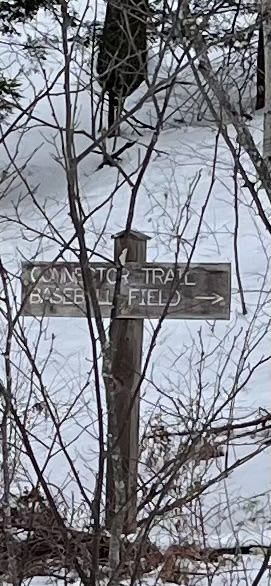
After the discussion, the students and staff took a vigorous walk on the CREA trails, acknowledging the trail signs and now better able to appreciate all the people and contributions that have made CREA the incredible resource it is today!
Volunteers and new ideas are always welcome, please call Dale Lawrence, the current Chair of the CREA Committee, if you would like to help with projects or serve on the CREA Committee. The next meeting will be in April. Look for the announcement on this site and in Connect Cornish.
Conservation Commission Past Events
The Cornish Conservation Commission was pleased to host a Vermont Institute of Natural Science (VINS) Raptor program on Sunday afternoon, April 28 at the Cornish Town Hall.
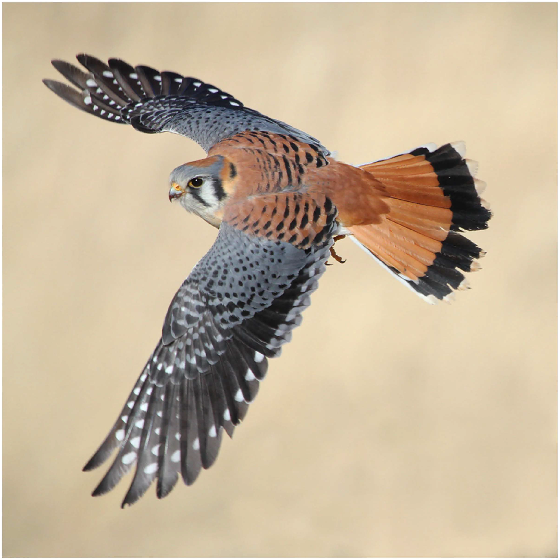
About 40 attendees, which included a nice range of ages, enjoyed Lexie Smith, an AmeriCorps Environmental Educator, describing the habits, needs and hunting prowess of the kestrel—the smallest and most colorful of our falcons.
VINS volunteer and Cornish resident Jennifer Maars assisted Lexie by presenting Ferrisberg, a male American Kestrel, to the delight of the audience.
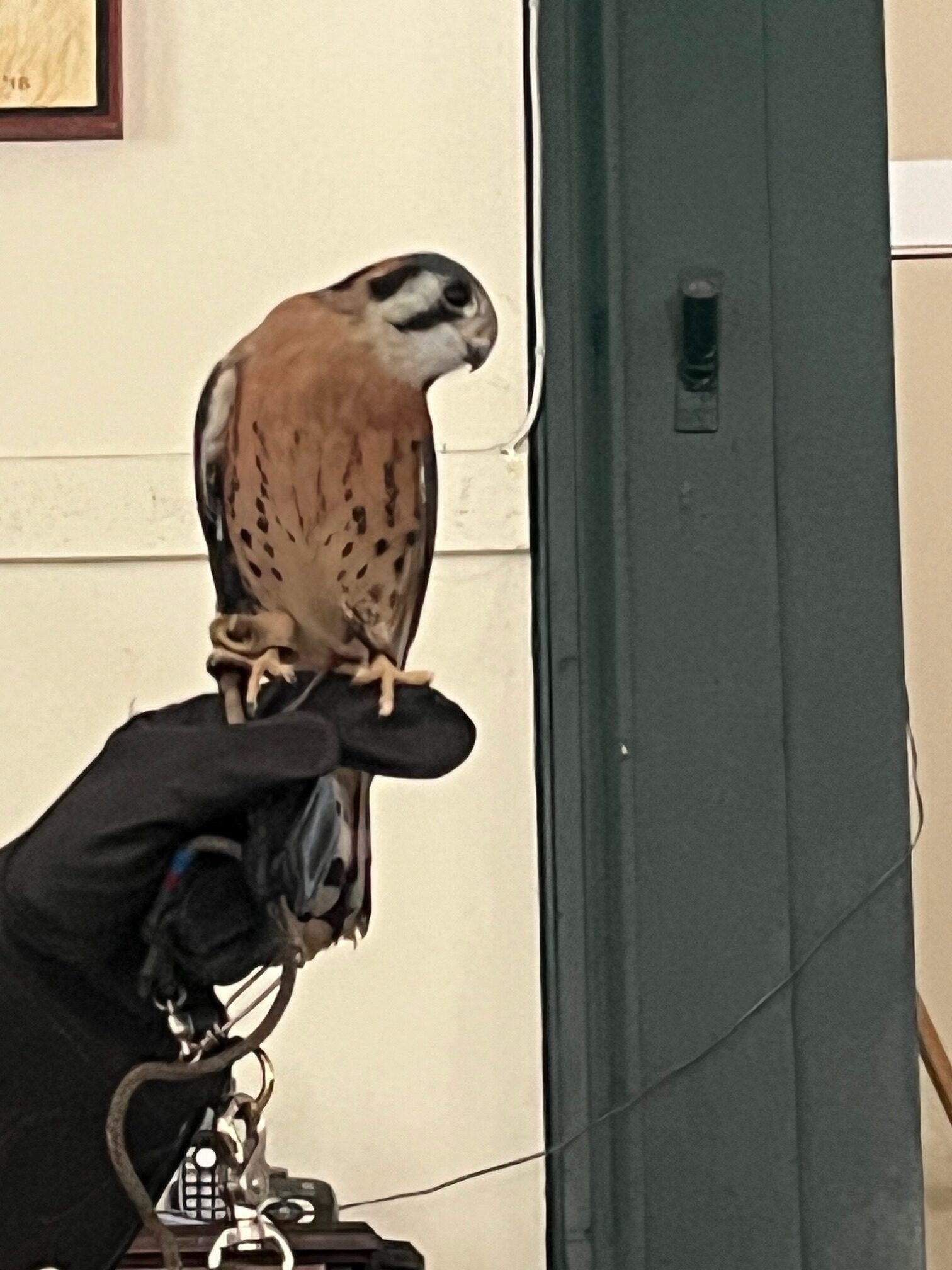
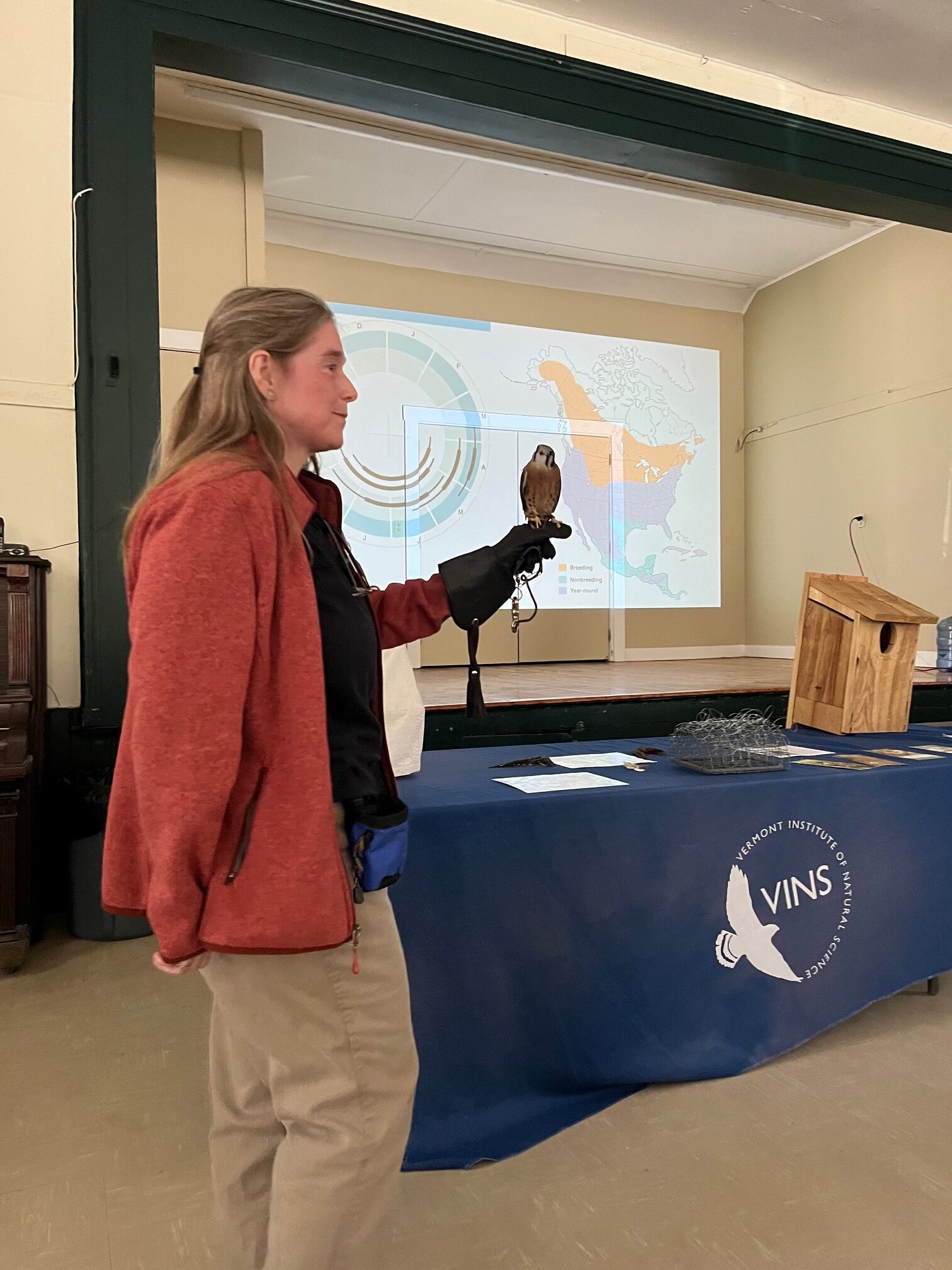
The American kestrel species is experiencing steep declines in population due to loss of habitat (they need 5-acre fields, or greater for hunting large insect prey and small mammals), and loss of enough nesting roosts (in tree cavities) near food sources, pesticide use on land impacting their prey, and hazards encountered on migratory routes.
Kestrels are considered to be the farmers’ friend for the amount of unwanted insects they can consume. We can help to slow the decline of this important bird by placing kestrel nesting boxes in appropriate habitat, reducing pesticide use, and coordinating field mowing with fledging of young birds (late July, preferably August).
For a free kestrel box, apply here: https://vinsweb.org/american-kestrel-nest-box-application/